Throughout the summer, enjoy the village festivals. Each village in the Pays de Nay celebrates its village over a weekend, with meals, entertainment and dances organised to delight the locals.
Let's take a closer look at the fêtes in Nay, which are held every year from Friday to Tuesday. This year they will take place from 23 to 27 August!
During the festivities, you can enjoy float parades, fireworks, festive and sporting events, and a varied programme for all ages.
Don't hesitate to consult our online diary to find out more about the various summer festivities.
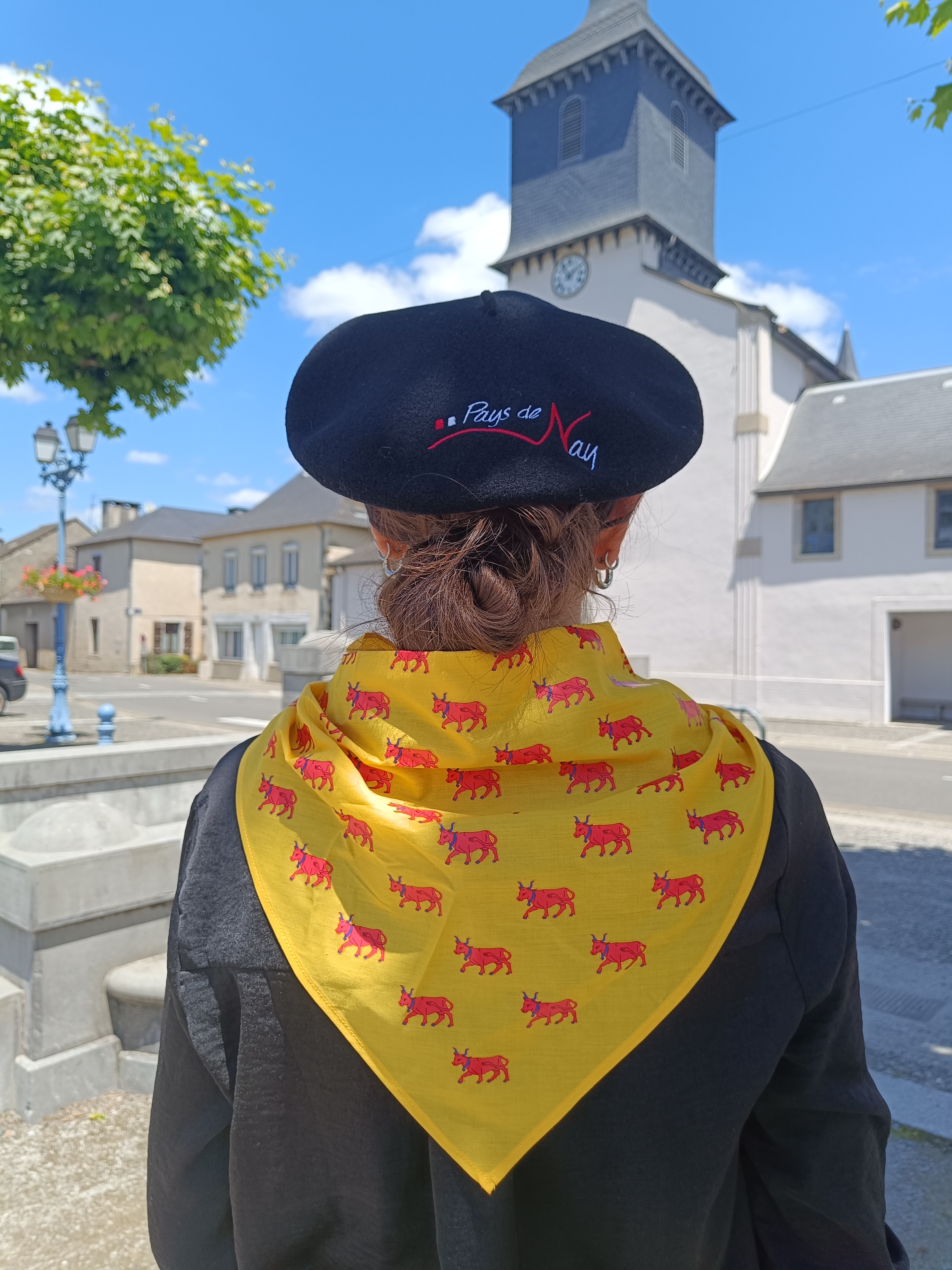
Another tradition typical of our region is the Carnaval Biarnés de la Vath-Vielha in Nay.
The Carnaval Béarnais is one of France's traditional carnivals. In the Pyrenees, it features a whole procession of characters, such as Sent-Pençard (Saint-Pansu), a great reveller in front of men, his austere wife Carronha, Quaresma (Carême), the Esquirrous, who ring the bells and wake the bears, and the bear, the symbol of nature, etc.
In Nay, Carnival marks the passage of Saint Pançard since his departure from Upper Aragon in Spain, where he had taken refuge the previous year, on his way to conquer Pau. On his arrival, His Majesty is given the keys to the town, so that he can reverse the established order as he passes through.
Another peculiarity is that in Nay it's the "chepics ’ that are burned, not the Carnival King. These chepics are simply the worries of the past year, written on paper and placed in boxes in Nay shops. Carnival takes place in March.
Transhumance, a tradition typical of the Pyrenees, consists of taking flocks of sheep, cows and horses to the mountains, known as estives.
The aim is to fatten up the herd, but also to breed them. The shepherds take their flocks up to the mountain at the start of the summer and return down once the summer is over. The milk produced by the animals during the summer months gives the cheese a particular flavour, a fresh, slightly herbaceous taste, hence the famous Pyrenean summer cheese.
